Course Details
Working at Heights
We offer a range of Working at Height courses for operatives; supervisors; and managers. The Work at Height Regulations apply to all work at height where there is a risk of a fall liable to cause personal injury. The regulations place duties on employers, the self-employed, and any person that controls the work of others (for example facilities managers or building owners who may contract others to work at height).
Falls from height remain the most common cause of workplace fatality. In 2012/13 there were 46 fatalities*, over 2,500 major injuries and a further 2,727 injuries that caused the injured person to be off work for over 7 days, due to a fall from height. HSS Training has the right course to equip your workforce with the necessary knowledge and skills to prevent accidents when working at height.
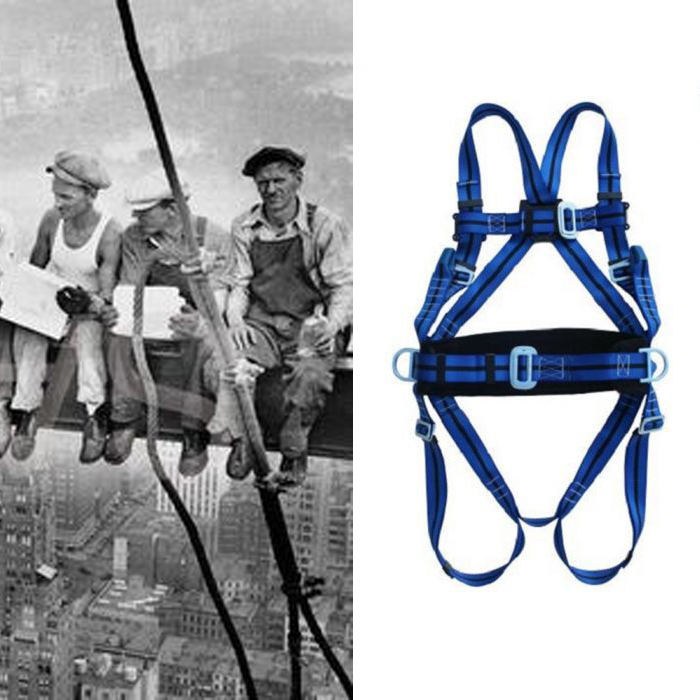
Harness Safety
This course delivers a minimum of four hours of both theory and hands on practical instruction and assessment, providing delegates with a good understanding of the principles for using and carrying out pre-use inspections of Safety Harnesses, Lanyards and Connectors in the workplace.
This course also provides each delegate with a base theoretical knowledge of the work at height regulations required to effectively reduce the risks associated with working at height, the hierarchy of control measures, correct pre-use inspection and using personal prevention and protection systems for fall restraint, work positioning and arrest.
What will I learn?
Working at Heights
- Health and Safety at Work Act
- Working at Heights Regulations
- Accident Reporting: Prevention and Investigation
- COSHH
- Fire Prevention
- Risk Assessment
- Method Statements
- Manual Handling
- Access Equipment
- Steps and Ladders:
- – Towers
- – Scaffold
- – Harnesses*
- – Machines (MEWPs)
- – Cradles
- – Roof Protection
Harness Safety
- Have a basic understanding of the industry, the dangers of working in the industry and their responsibilities.
- Be able to locate and identify major components of the Harness / Fall Arrest and explain their functions.
- Conduct all safety checks in accordance with manufacturer’s and legislative requirements.
- Select suitable type of Harness / Fall Arrest relative to the work being undertaken.
- Identify and maintain PPE appropriate for use Harness / Fall Arrest and demonstrate correct use.
- Correctly fit and remove the safety Harness / Fall Arrest.
- Carry out end of work inspections.
- Environmental considerations.
- Storage of Harness / Fall Arrest.
Bookable Dates